


How to Reset Your Home for Autumn – Interior Design Tips for Sydney’s Cooler Months
There’s a gentle shift that happens in Sydney homes when autumn arrives. The light softens, the evenings cool just enough to reach for a throw, and suddenly you start noticing the little things – the clutter that built up over summer, the spaces that could feel a bit warmer, the corners that deserve a refresh. Autumn is the perfect season for small, thoughtful updates that make your home feel comfortable and calm again.
In this guide, I’ll take you through the things I do to reset my home for cooler months without creating a new to-do list that ruins the weekend. Think: fewer decisions, better daily flow, and a home that feels warmer at 6pm without cranking the heater.
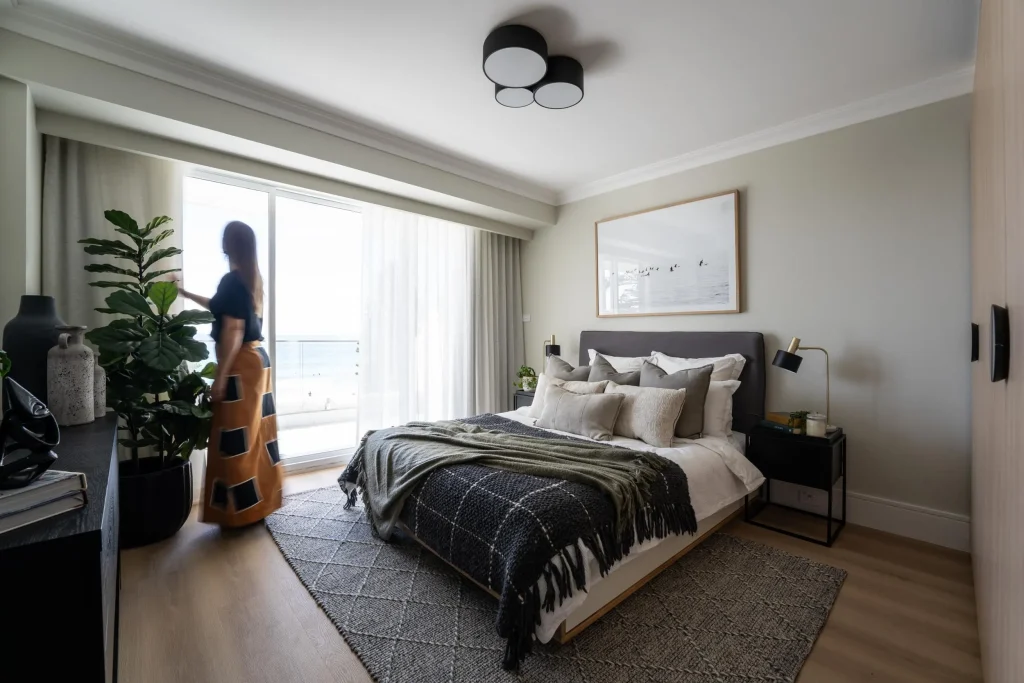
1. Start with the invisible: air, light and the “Sydney damp” problem
Insight:
Most autumn “deep cleans” focus on wiping down surfaces, but as the weather cools the real difference in how a home feels often comes down to air quality and light. After such a humid summer in Sydney, moisture is likely to linger in places you don’t always notice – particularly in coastal homes on the Northern Beaches. Closed windows, salt air and trapped humidity can lead to musty rooms, slightly swollen joinery, and that unmistakable damp smell that once you notice… you can’t quite ignore.
Solutions:
- Ventilation check: Run bathroom exhaust fans for 15–20 minutes after showers. If your fan sounds tired, it probably is. A weak fan can mean more condensation on mirrors, more mould in grout, and paint that never quite looks fresh.
- Window tracks and seals: Clean the tracks (a soft brush + vacuum works) and check rubber seals. If you’re seeing condensation on the inside of glazing, consider a dehumidifier in bedrooms for a few weeks rather than blasting heat.
- Lighting “warmth”: Swap harsh cool globes for warm white (around 2700K–3000K) in living areas. If you have downlights only, add two plug-in lamps before you start planning a full lighting redesign. You’ll feel the difference immediately.
Action:
If you’re in Avalon, Manly or anywhere with that constant coastal breeze, prioritise windows, fans and lighting before you buy a single new cushion. Comfort starts with the background conditions.
2. Edit the clutter where it costs you time: entry, kitchen and laundry
Insight:
Overwhelm at home often begins in the first 90 seconds of walking through the door. Bags, shoes, keys, school gear, dog leads – and at this time of year, the seasonal shuffle adds to the chaos. Beach bags, snorkels and sandy towels are mixed in with football boots, netball bags, muddy trainers and bulky jumpers. When storage hasn’t been designed for how your household actually moves through the day, “mess” is usually just evidence of missing infrastructure.
Solutions:
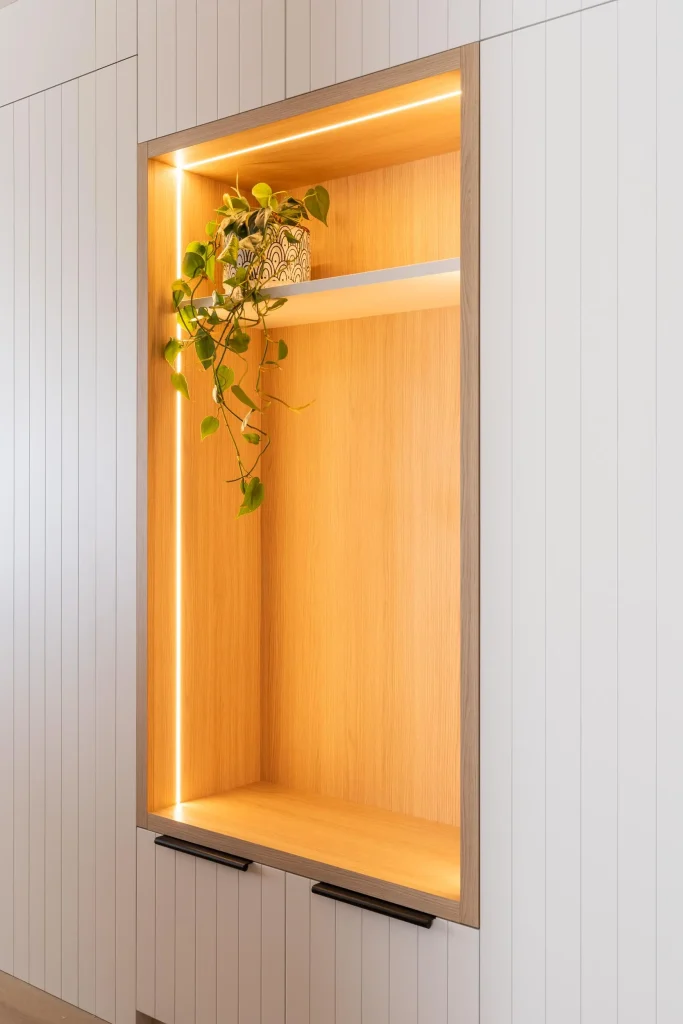
- Entry joinery: A shallow cabinet (300–350mm deep) can hide a lot without stealing hallway space. Add:
- a bench at 450mm high for shoes
- drawers for sunglasses/keys (soft-close, label-free, just intuitive)
- an open niche for daily bags
- a rail or hooks behind a door for coats
- a bench at 450mm high for shoes
- Seasonal storage reset: Autumn is the perfect time to rotate what lives near the door. Pack away beach towels, snorkels and summer gear into higher cupboards or storage tubs, and bring winter sports bags, rain jackets and school jumpers into easy reach.
- Kitchen drop zone: If your kitchen island becomes mail and device central, add a concealed charging drawer (power inside the drawer, not trailing across the benchtop).
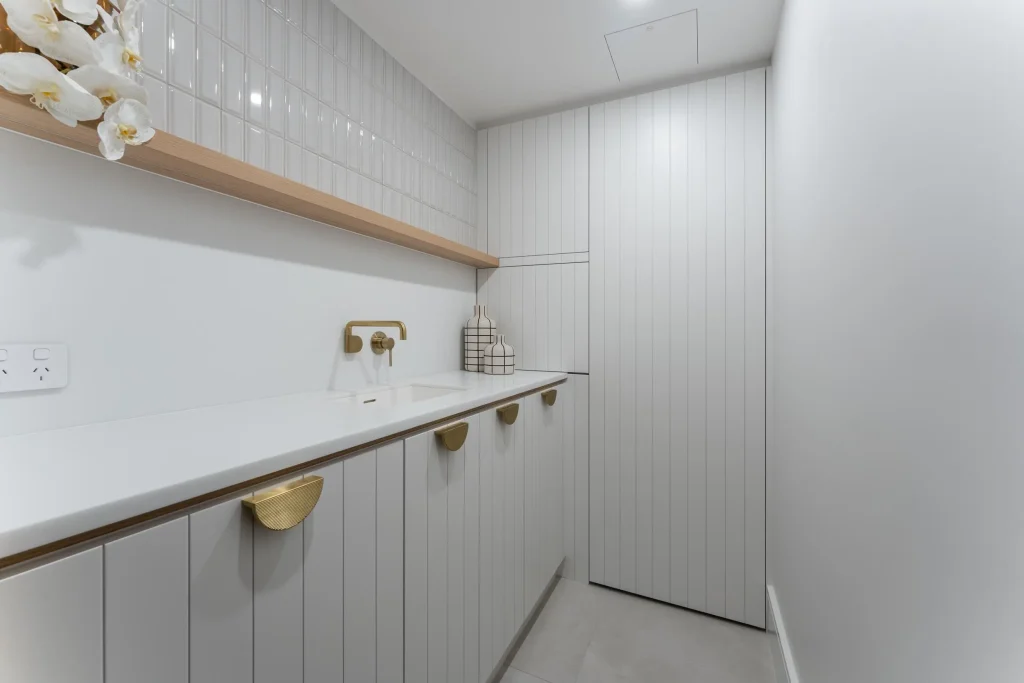
- Laundry sanity: A tall broom cupboard plus a pull-out hamper system is the difference between “laundry is a room” and “laundry is a lifestyle problem.”
Budget implications:
Joinery is where budgets drift when decisions are late. If you’re planning even a modest refresh, lock storage layouts early and keep finishes simple: a durable laminate inside, with a painted 2-pack or timber veneer on visible fronts.
Action:
Pick one zone that annoys you daily and solve it properly. A tidy living room is much easier when the entry isn’t a dumping ground.If you need some extra help explore our full-service approach to joinery planning here.
3. Warmth without fuss: textiles, rugs and materials that behave well
Insight:
A winter-ready home isn’t about adding “more”. It’s about choosing materials that feel good underfoot, handle real life, and look intentional even when the dog jumps on the sofa.
Solutions:
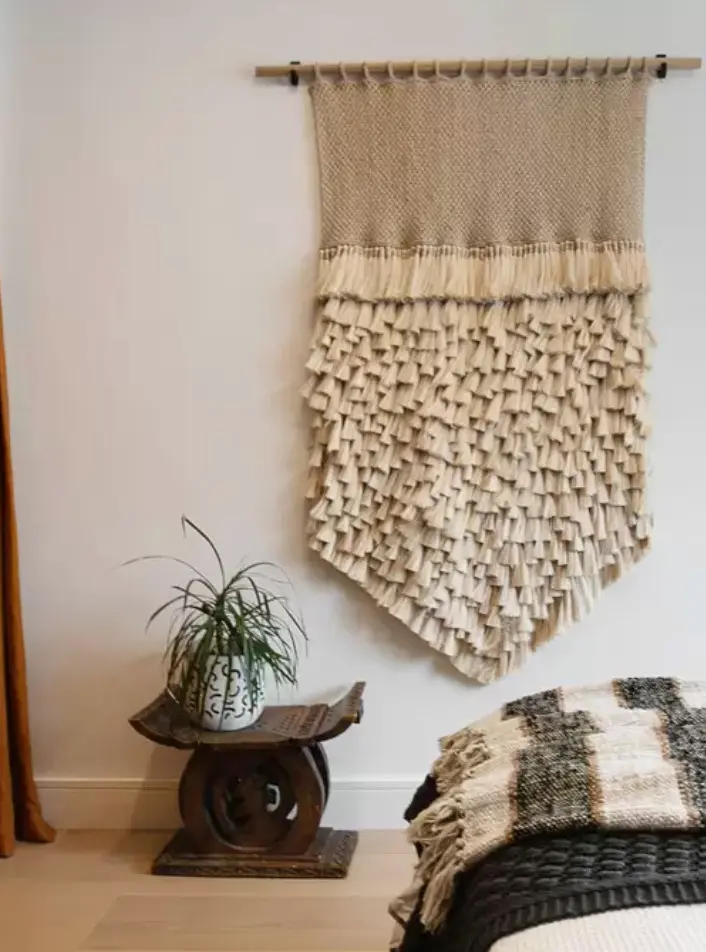
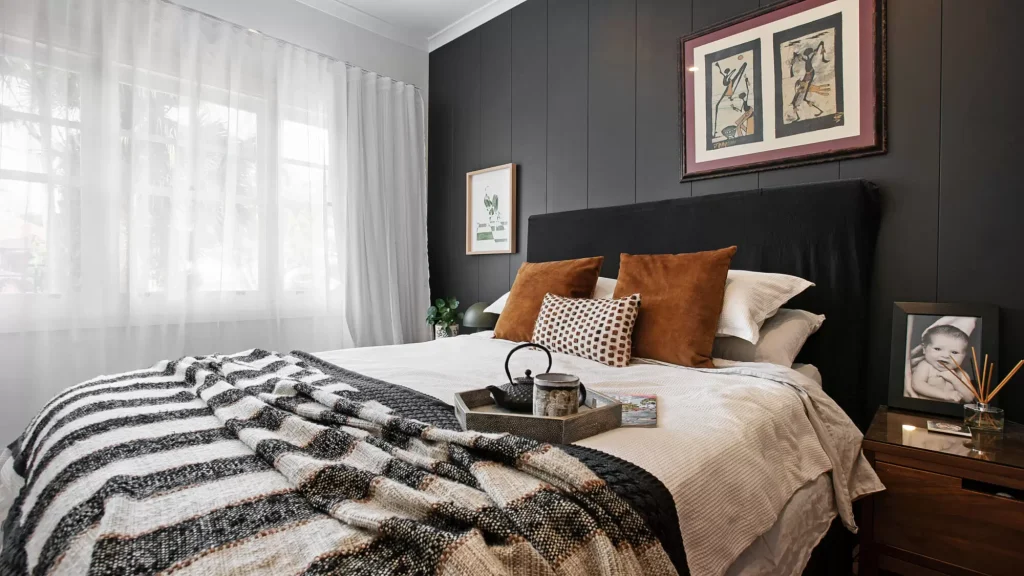
- Seasonal textiles: This is the easiest seasonal update. Swap lighter summer cushions for richer textures like wool, boucle, velvet or brushed cotton, and layer a generous throw over the arm of the sofa. These small changes instantly make a room feel warmer without requiring a full redesign.
- Artwork and styling:
Even something as simple as rotating artwork or adding a deeper-toned frame can subtly shift the mood of a space. Autumn is also a lovely time to bring in ceramic lamps, textured vases or timber trays that add visual warmth as natural light becomes softer.
- Lighting: As evenings get longer, lighting becomes more important. A warm table lamp or floor lamp in a living area can completely change how a room feels after sunset, making the space far more inviting than relying on overhead lighting alone.
- Rugs: As the weather cools, rugs become one of the easiest ways to add warmth and comfort to a room. Look for materials that feel soft underfoot and naturally insulate, such as wool, wool blends, or thick woven flatweaves. Textures like loop piles or hand-knotted wool rugs add depth while helping a space feel cosy during cooler months.
Colour also plays a role – autumn is a lovely time to lean slightly warmer with tones like soft oat, caramel, muted rust or warm neutrals, which sit beautifully in coastal homes without feeling heavy.
Size still matters though: aim for a rug large enough that the front legs of sofas and chairs sit on it (often around 2.4m x 3.0m or larger). A generously sized rug not only anchors the room visually, but also creates a warmer, more comfortable zone underfoot as the temperature drops.
Action:
Before you buy new throws, check what you already own and set a simple rule: one texture for warmth (wool, boucle, brushed cotton) and one for structure (leather, timber, woven rattan). That’s enough. Have a look at our Coramba Street project to see how we apply these principles for our clients
4. The “small maintenance” list that prevents expensive fixes
Insight:
Autumn is when minor issues become winter problems. Small repairs now protect your finishes and keep your renovation budget for things you actually want.
Solutions:
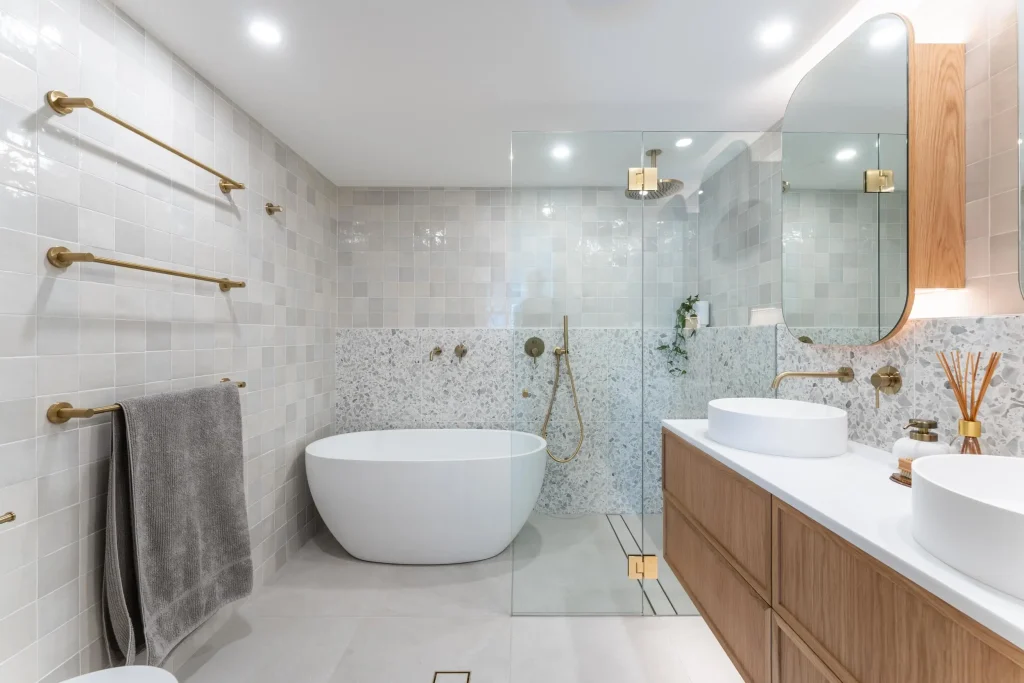
- Grout and silicone: If silicone is lifting in showers, replace it now. Water sneaks behind tiles and the repair becomes a much bigger conversation.
- Door and drawer alignment: winter moisture can shift timber doors. If joinery fronts are catching, adjust hinges early (or call your cabinet maker).
- Exterior thresholds: Check door thresholds and seals before heavy rain. Water entry at thresholds can ruin timber flooring edges fast.
Actions:
If you’re considering a home renovation in the next 12–18 months, these checks also give you clarity on what’s maintenance versus what’s worth redesigning.
Wrap-up: your autumn reset, in the right order
If you do nothing else this week:
- Fix air + lighting first (fans, window tracks, warm globes).
- Solve one daily friction zone with storage, not willpower.
- Add warmth through considered textiles and correctly sized rugs.
Do the small maintenance jobs that protect your finishes.
FAQ
What are the easiest ways to prepare a Sydney home for autumn?
Start with comfort basics before styling. Improve ventilation after a humid summer, clean window tracks and exhaust fans, switch lighting to warm globes (around 2700K), and add a properly sized rug or throw to create warmth as evenings cool.
Why do homes on the Northern Beaches feel damp in autumn?
Coastal homes often hold moisture after Sydney’s humid summer because salt air, humidity and reduced ventilation allow damp air to linger indoors. Improving airflow, running exhaust fans properly, and occasionally using a dehumidifier can prevent musty smells and protect joinery and finishes.
What interior design updates make the biggest difference in cooler months?
Small updates can have a big impact. Layered lighting, wool or boucle textiles, warmer-toned rugs, and a few ceramic or timber styling pieces can make a room feel warmer without replacing major furniture.
What rooms should you prioritise when doing an autumn home reset?
Focus on high-traffic zones first: the entry, kitchen and laundry. These areas tend to collect clutter and seasonal gear, so improving storage and organisation here can dramatically improve daily flow through the home.
How can storage design reduce everyday clutter at home?
Clutter often appears when storage isn’t designed for real life. Entry joinery with shallow cabinets, bag niches, and shoe benches can contain daily items like sports gear, school bags and coats so they don’t spread through the house.
What types of rugs work best for autumn and winter?
Natural fibre rugs such as wool, wool blends and thicker woven styles add insulation and softness underfoot. Choosing a rug large enough to anchor the seating area also helps a living room feel warmer and more cohesive.
When is the best time to plan home improvements or joinery upgrades?
Autumn is a good moment to evaluate how your home functions day to day. Small frustrations – cluttered entries, awkward storage, poor lighting – often highlight areas where thoughtful joinery or interior design updates could improve the way the house works.
How can lighting make a home feel warmer without increasing heating?
Warm white lighting (2700K–3000K), combined with table lamps or floor lamps, creates a softer evening atmosphere. Layered lighting reduces reliance on overhead downlights and can make a space feel more comfortable as natural daylight decreases.
Final Thoughts
If your home feels slightly out of step as the seasons change, autumn is often the best time to notice what needs attention. At Orli Interiors, we help homeowners across Sydney’s Northern Beaches create homes that feel calm, functional, and beautifully resolved – from smarter joinery and lighting to full-home renovations. If you’re ready to improve the way your home works, book a consultation to start the conversation.