


How Much Should You Budget To Furnish Or Renovate the Key Rooms in Your Home?
Here’s the thing about budgets: size, quality, and scope do most of the heavy lifting. The larger the room, the more pieces it needs. The higher the quality, the longer it lasts (and the better it feels). And once you move from furnishing to renovating, you’re paying trades, compliance, and construction – not just pretty things.
Below is a practical, Sydney-relevant guide we use with clients at Orli Interiors. It blends our internal benchmarks with current local cost ranges so you can plan with confidence.
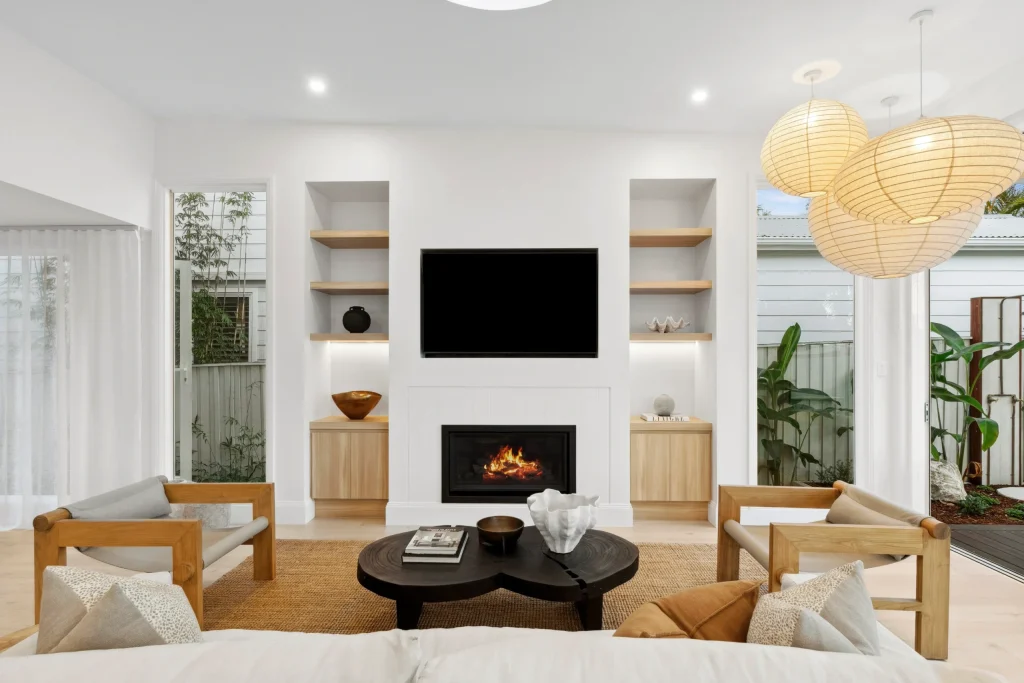
Furniture budget benchmarks (per room)
These are the ballpark totals we typically see once a room is fully furnished (key pieces, lighting, rugs, art, accessories). They assume quality that holds up to family life and still looks good five years from now.
- Living room
- Budget: $15,000
- Mid-range: $35,000
- High-end: $75,000
- Budget: $15,000
- Dining room (based on a 6–8 seater)
- Budget: $10,000
- Mid-range: $20,000
- High-end: $50,000
- Budget: $10,000
- Primary bedroom
- Budget: $8,000
- Mid-range: $20,000
- High-end: $50,000
- Budget: $8,000
If your space is large/open-plan, add 15–30% because you’ll need bigger rugs, more lighting, and proportionate furniture.
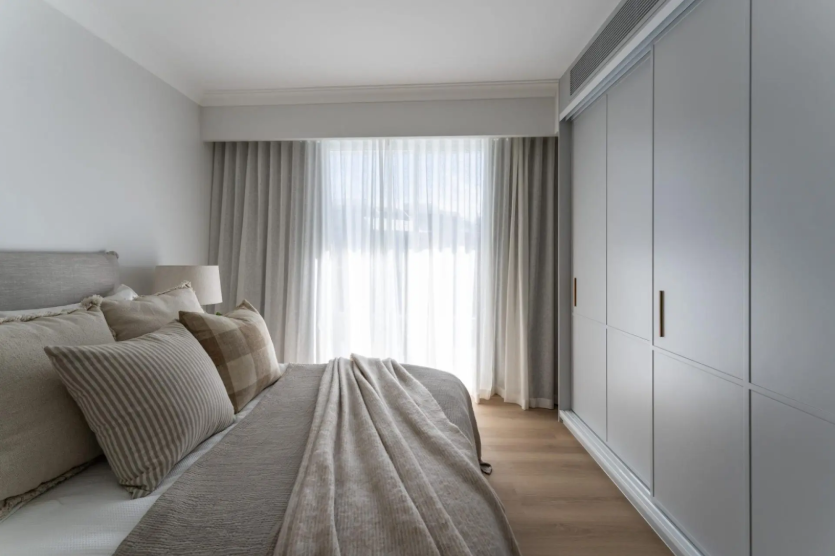
Renovation budget benchmarks (Sydney)
Furnishing is one thing. Renovating – kitchens, bathrooms, joinery – changes the services, structure, and compliance. So how much does a kitchen or bathroom renovation cost in Sydney?
- Kitchen renovation (Sydney)
- Budget/cosmetic: $15k–$25k
- Mid-range: $45k–$85k
- High-end/custom: $75k–$100k+ (large kitchens, premium stone, integrated appliances, custom joinery).
- Budget/cosmetic: $15k–$25k
- Bathroom renovation (Sydney)
- Budget/cosmetic: $15k–$25k
- Mid-range: $45k
- High-end/custom: $45k–$75k+ (large bathrooms, premium stone and fixtures, custom joinery).
- Budget/cosmetic: $15k–$25k
Two context points worth knowing:
- Materials have stabilised compared with the peaks of 2021–2023, but labour and currency pressures still keep Sydney costs elevated.
- Whole-home renos in Syndey often land between $4,000–$15,000 per sqm subject to scope.
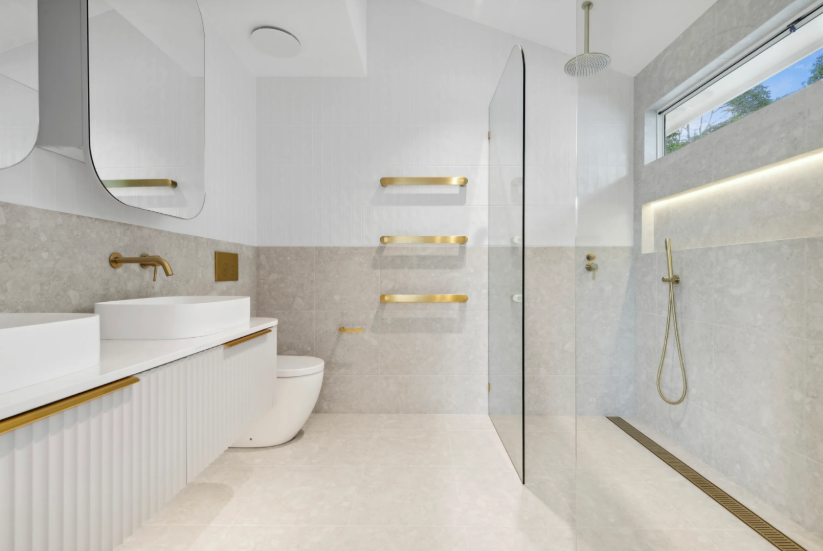
Room-by-room: what actually drives the number
Living room
Where to invest: sofa, rug, window coverings, and lighting. These set comfort, proportion, and the mood.
Suggested allocation (scale up/down per tier):
- Sofa/armchairs: 35–45%
- Rug: 10–15%
- Window treatments: 10–15%
- Lighting (ceiling + floor/table): 8–12%
- Occasional tables + storage: 10–15%
- Art/decor/styling: 8–15%
Why prioritise the sofa? It’s the workhorse – aim to spend more on the focal pieces you touch daily, then save on easily replaceable accents.
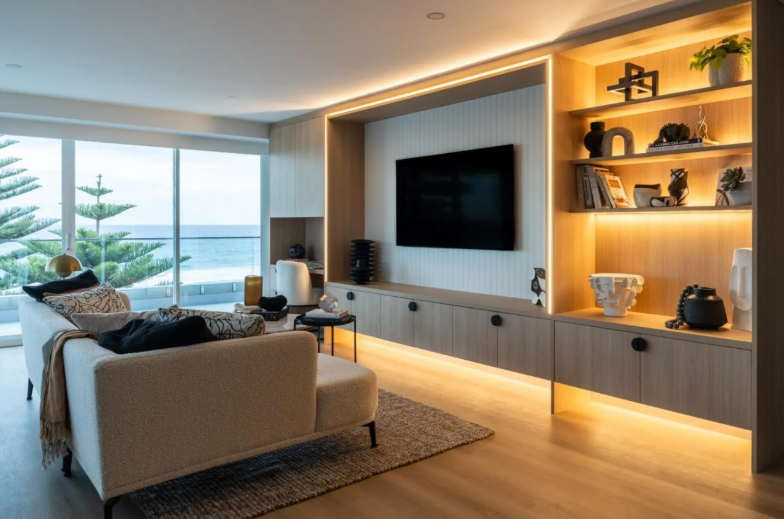
Dining room
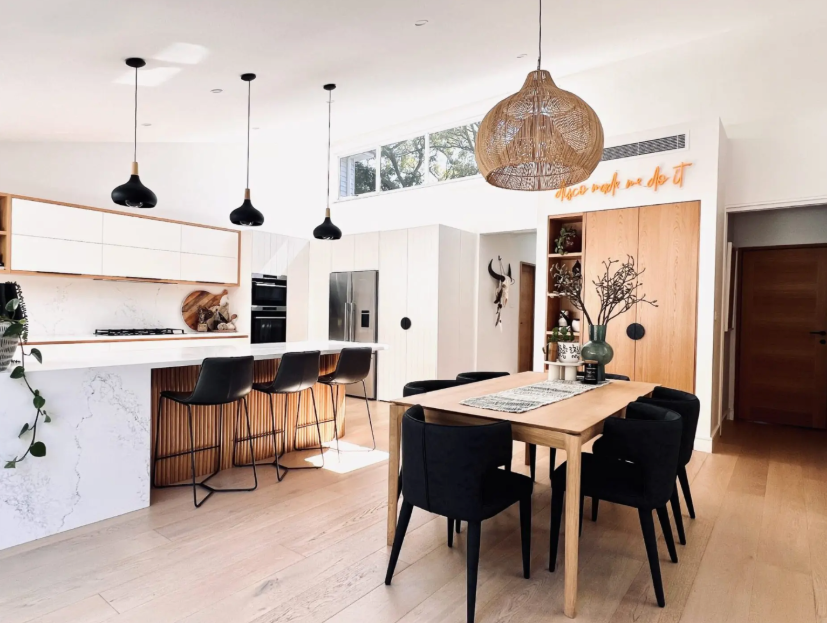
Your table and chairs carry most of the spend; pendant lighting and window treatments finish the space.
Suggested allocation:
- Table + chairs: 50–65%
- Pendant lighting: 10–12%
- Rug (if used): 8–12%
- Storage (buffet/console): 8–12%
- Art/decor/styling: 5–8%
Dining rooms frequently exceed $10k per room at even basic levels once quality and scale are considered. Like the living room this is a heavily used area of the home and worth investing in accordingly.
Primary bedroom
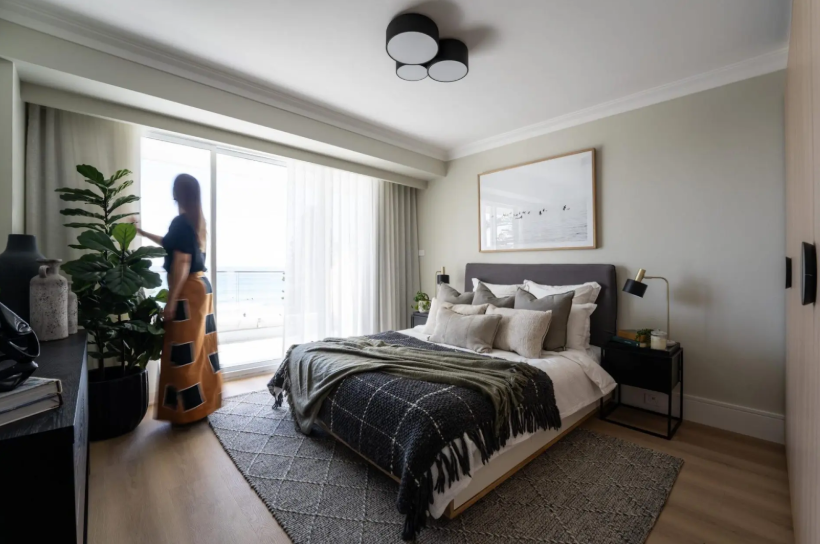
Your spend here affects sleep quality and longevity while practical storage helps to maintain a calming and restorative environment.
Suggested allocation:
- Bed/ensemble/headboard: 10–20%
- Mattress: 15–20%
- Bedside tables + lamps: 10–15%
- Wardrobe/storage: 20–35%
Rug/linen/soft furnishings/art: 15–25%
Kitchen renovation
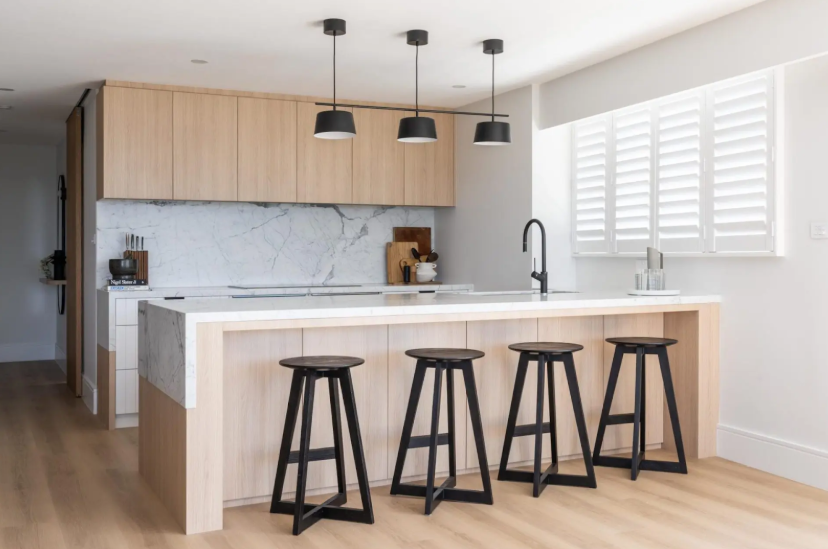
Primary cost drivers are custom joinery, stone/benchtops, appliances, and trades (plumbing, electrical, tiling). Integrated and high end appliances, interior cabinet functionality, and premium stones push you into the high-end bracket.
Suggested allocation:
- Joinery: 40-50%
- Engineered Stone: 10–20%
- Appliances: 15–25%
Trades: 15–25%
Bathroom renovation
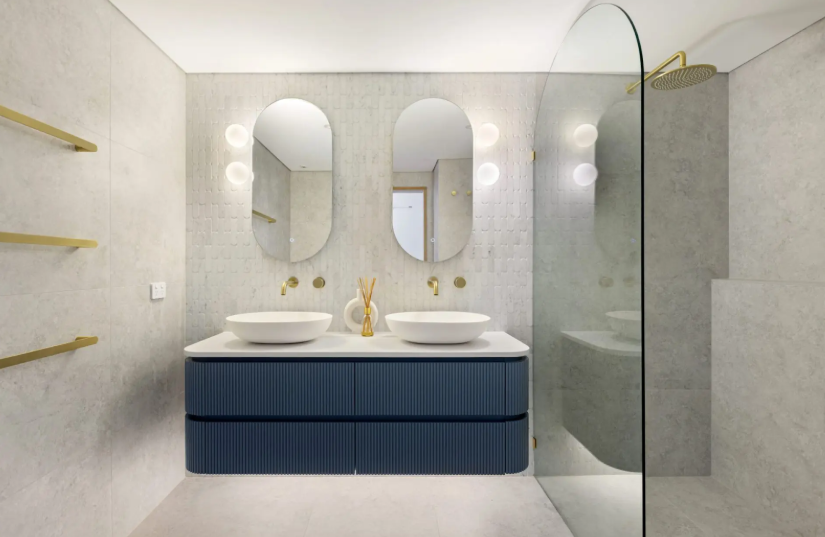
Cost drivers are custom joinery, tiling, plumbing relocations, and the quality of your fixtures.
Suggested allocation:
- Joinery: 10-15%
- Tiles: 5–10%
- Fixtures: 30–45%
- Trades: 35%
If you’re planning floor-to-ceiling tiling, underfloor heating, custom vanities or layout changes, budget at the upper end.
How to choose your budget tier (without second-guessing every decision)
- Match the tier to how you live. If you host weekly, invest in a durable sofa, heavy-use rug, and lighting you can dim.
- Scale to room size. Big rooms need big rugs and bigger sofas. Undersized pieces are the fastest way to waste money.
- Spend more on touchpoints, save on switchables. Anchor pieces that work hard every day (sofas, beds, dining tables) and deserve the budget. Save on side tables, secondary lamps, and decorative accents.
Expect supply and labour to set the foundation. Materials price growth has cooled, but labour and exchange rates keep Sydney at a premium. Build a 10–15% contingency for renovations.
A simple example
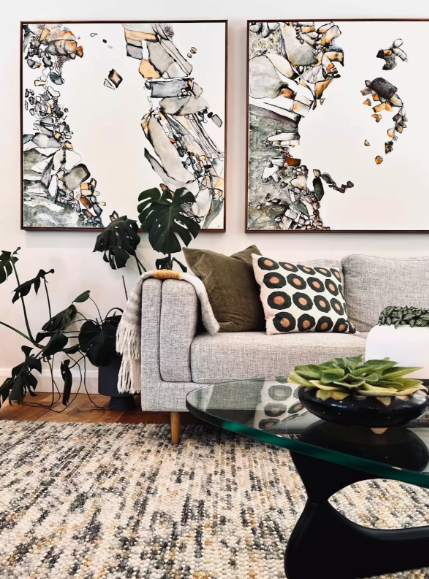
Let’s say you’re fully furnishing and styling an open-plan living/dining room in Freshwater and you are budgeting for lower mid-range quality.
- Living room target: $22k
- Dining target (8-seater): $15k
- Add 15% for large, open proportions: +$5k
Total plan: ≈ $42k all-in for furnishing and styling but excluding artwork – this depends on your preferences and interest in a particular artist.
Final word
Budgets aren’t about spending more – they’re about spending right. Choose a budget tier, set clear allowances by category, and stick to proportions that reflect how you actually live. If you want help mapping these numbers to your floor plan (and avoiding the usual budget traps), we’ll build a room-by-room plan with exact specifications and quotes to keep everything on track.
If you’re looking to refresh your home, you can book a consultation with us here or get in touch to arrange a free 15minute discovery call. We’d love to help!
