


How to Choose the Right Colour Scheme for Your Home
How do you choose the right colour scheme for your home? It sounds simple – pick a white, add a feature wall, layer in some cushions and you’re done. But the homes that feel calm, cohesive and quietly elevated are never the result of random choices. They are considered. Every material, every tone and every finish relates back to a bigger idea.
The best way to choose a colour scheme is to begin with your fixed finishes first – flooring, joinery, stone, and tiles – then build paint and softer layers around them. In renovation projects, this usually leads to a more cohesive result than choosing paint colours in isolation. When the palette is resolved, the home feels intentional and expensive in a quiet way. When it’s not, even high-end finishes can feel disjointed.
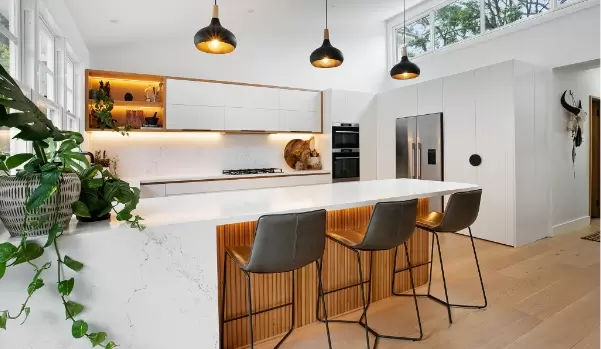
Start With the Fixed Finishes Before Choosing Paint Colours
Before selecting a single paint swatch, focus on what isn’t moving. Flooring, benchtops, large joinery pieces and exterior materials will visually anchor the space for years. These elements carry weight, both financially and aesthetically, so they should form the foundation of your colour scheme rather than be an afterthought.
Once these key materials are selected, your paint and softer finishes can support them. This sequencing prevents the common mistake of choosing dramatic or trend-driven elements in isolation. When the foundational materials are aligned first, everything layered on top feels cohesive rather than accidental.
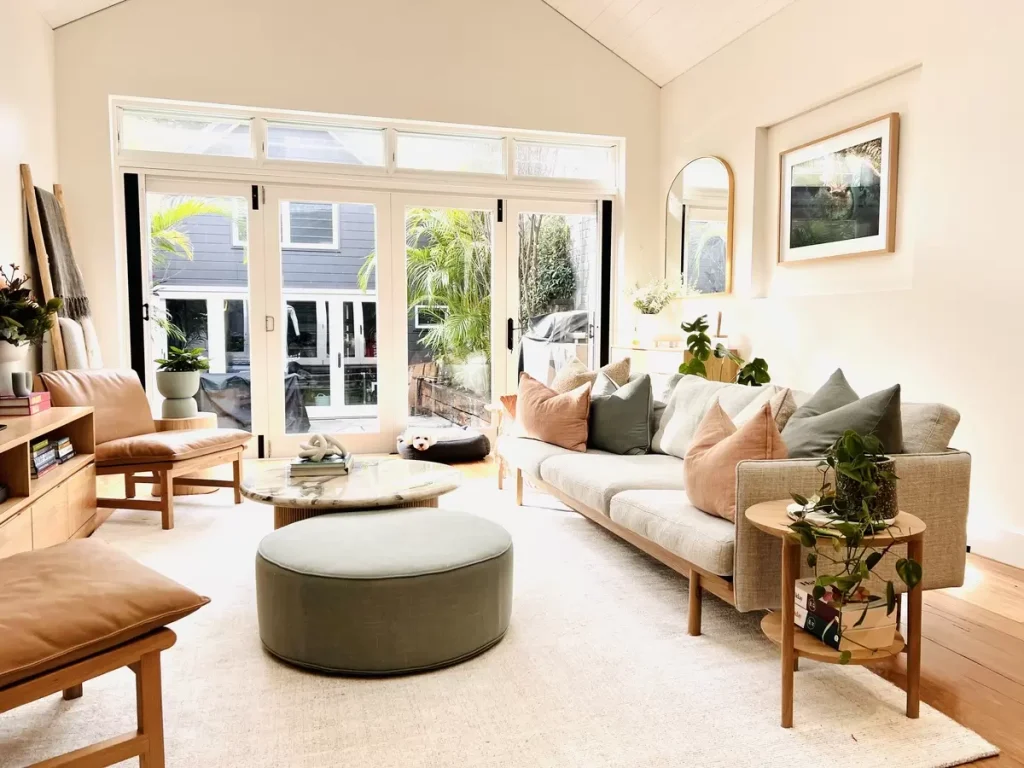
How Light Affects Paint Colours and Finishes in Your Home
In our Northern Beaches homes, natural light can shift dramatically throughout the day, which is why colour testing in the actual space matters so much.
Colour never exists on its own. It is always influenced by light, orientation and time of day. A white that feels creamy and warm in one room can look cool or slightly flat in another, depending on how the sun moves through the space. Artificial lighting in the evening introduces yet another layer, often warming or dulling certain undertones.
Testing large sample boards in the actual room is essential. View them in the morning, at midday and again at night. Stand back and look at them against your flooring and joinery. This process reveals how the colour truly behaves in your home rather than how it appeared in a showroom.
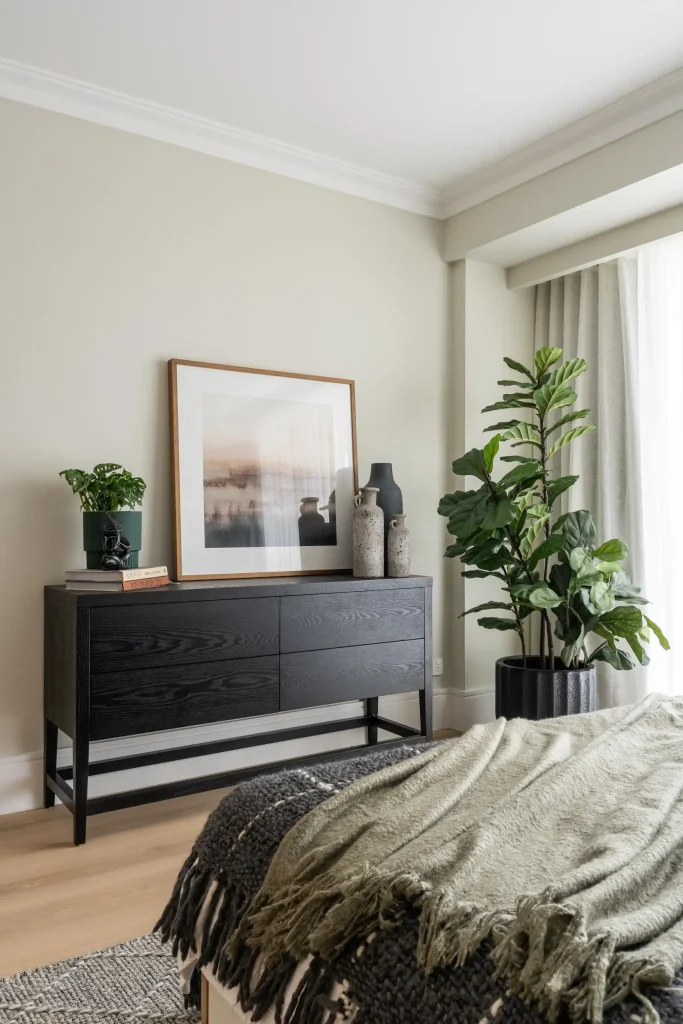
Should You Choose Warm, Cool, or Neutral Tones?
One thing we often see in renovation projects is that homeowners choose a paint colour first, then struggle to make flooring, tiles, and joinery work around it. The sequence matters more than most people expect.
One of the most common reasons a home feels unsettled is inconsistent undertones. Mixing warm and cool finishes without intention creates subtle visual tension. Oak flooring paired with a cool blue-grey wall, for example, can feel slightly off even if each element is beautiful on its own.
Decide early whether your home will lean warm, cool or neutral with a clear undertone direction. This does not mean everything must match, but the base temperature should align. When finishes share a similar undertone family, the home feels harmonious and considered.
How Many Colours Should You Use in a Home Colour Scheme?
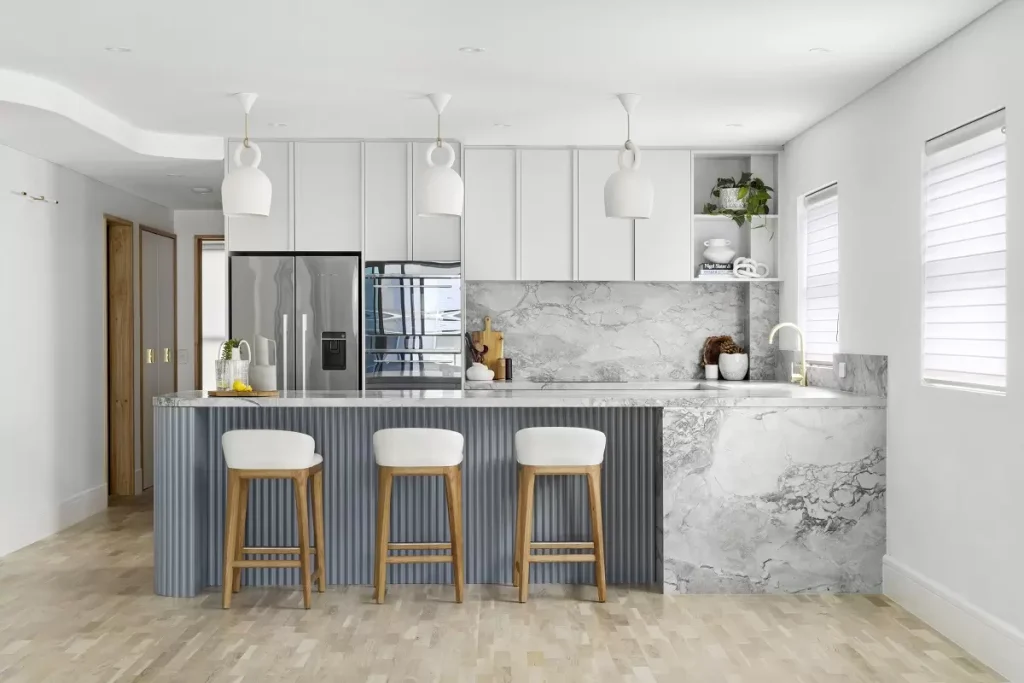
A refined colour scheme is rarely busy. Most sophisticated interiors are built around two to three core tones, with subtle variations layered through texture rather than bold colour shifts. Restraint creates longevity and allows architectural details to shine.
Instead of introducing a new colour in every room, repeat and reinterpret your core palette. This repetition creates flow from space to space. The result is a home that feels connected rather than segmented into separate design moments.
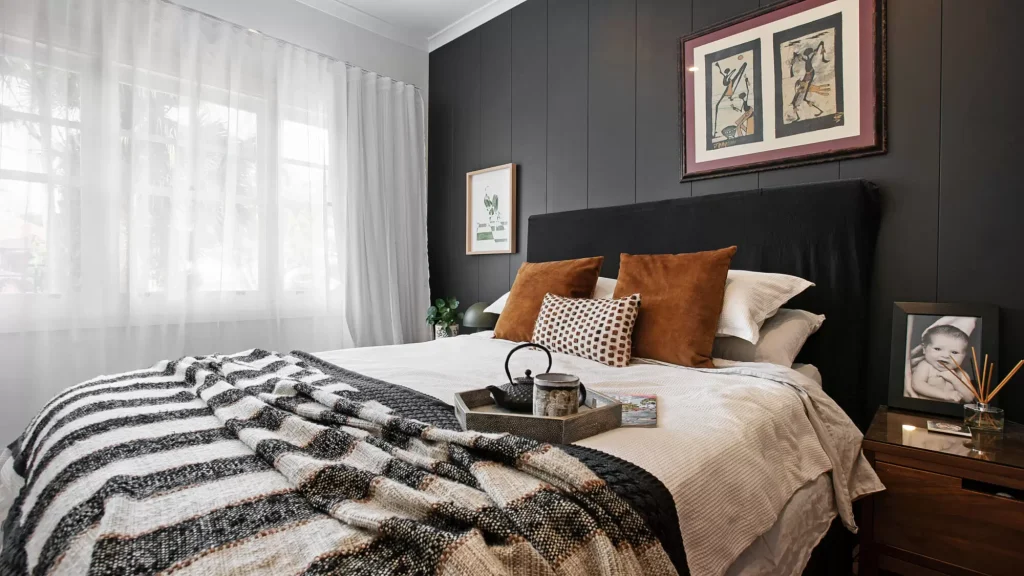
How to Use Contrast Without Making the Home Feel Disjointed
Contrast gives depth and interest, but it must be deliberate. A darker joinery element against soft walls, or a rich stone layered into an otherwise neutral space, can create beautiful tension when it supports the overall palette.
Without a clear strategy, contrast can quickly feel chaotic. The key is to anchor bold elements with repetition elsewhere in the home. When a strong colour or material appears more than once, it feels intentional rather than random.
Frequently Asked Questions
1. Should I choose paint before or after selecting flooring?
Choose flooring first. It covers a large surface area, is harder to change, and has a bigger impact on the overall palette than paint.
2. Can I use the same white paint throughout the whole house?
Yes, often you can. Using one main white can create cohesion, but the undertone still needs to suit the light and orientation of each space.
3. How many accent or feature colours should I use in a home?
Usually one or two is enough. More than that can make the home feel visually busy unless the palette is being handled very carefully.
4. Can I mix warm and cool tones in the same home?
Yes, but one temperature usually needs to lead. Without a clear hierarchy, the home can start to feel visually unsettled.
5. Will a neutral palette make my home feel boring?
No. A neutral palette usually feels richer when it includes texture, tonal variation, and a small amount of contrast rather than relying on bold colour..
Final Thoughts
Choosing the right colour scheme is less about chasing trends and more about creating alignment. When your materials, light and undertones are working together, the entire home feels calm and resolved. That sense of cohesion is what makes a space feel truly elevated.
A well-considered palette also protects your investment. When colours are thoughtfully selected at the beginning, you avoid costly changes later and ensure your home will feel current for years to come.
Ready to Refine Your Colour Scheme?
If you’re planning a renovation or new build and want confidence before committing to major finishes, this is exactly where strategic design advice makes the biggest difference. A clear, cohesive colour direction early on can save you time, stress and expensive revisions.
If you’d like help creating a palette that feels timeless, aligned with your architecture and beautifully resolved from room to room, get in touch HERE to book a design consultation. Let’s ensure your home feels intentional from the ground up.