


Should You Renovate or Move? How Northern Beaches Families Can Decide
You know that moment: the kids are suddenly bigger, the “temporary” storage solution has become permanent, and every weekday morning feels like a small logistical event. Every home eventually reaches a point where it no longer quite matches the way you live and the daily rhythm of the house becomes harder work than it should be. When that moment arrives, the question naturally follows: is it better to renovate, or to move somewhere that already works? It’s a decision many Northern Beaches families face, and there are a few things worth considering before you decide.
For many families, the real decision is not simply whether to renovate or move, but whether the current home can be redesigned to support daily life more efficiently – is the problem more about layout, storage, light, or flow rather than the house itself.
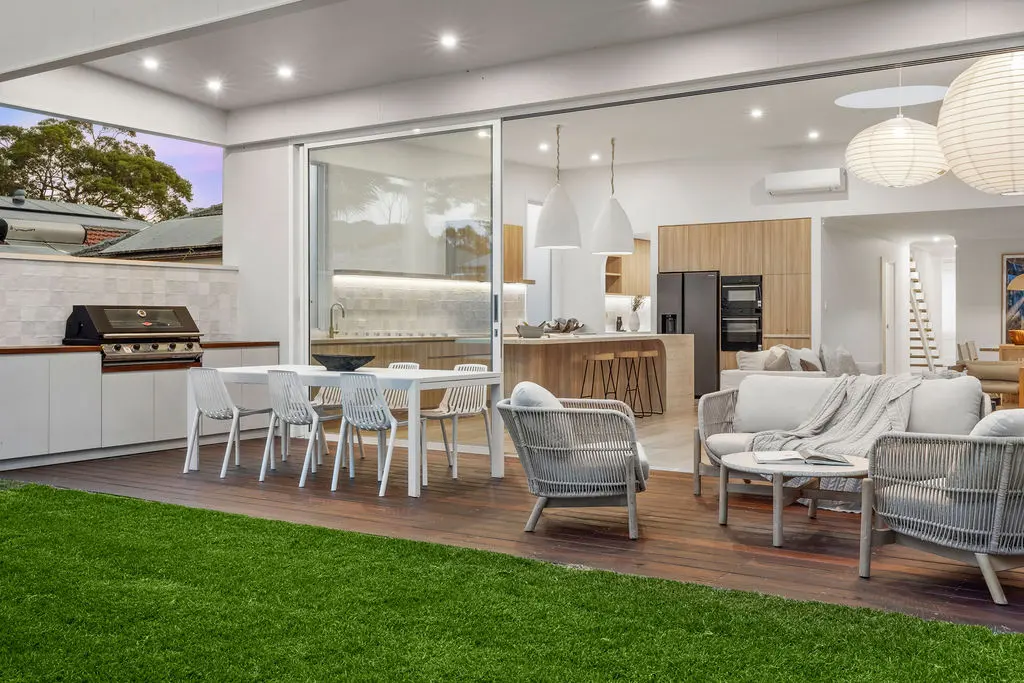
The real question isn’t actually “renovation or moving” – it’s “what are we trying to fix?”
Insight (the why):
Most people frame this as a property decision. It’s actually a lifestyle decision. You’re trying to solve for one (or more) of these issues: space, flow, privacy, light, storage, entertaining, school zones, walkability, or sheer sanity.
Specifics (what it looks like):
Before you decide anything, list the friction points in plain English:
- “Two people can’t use the kitchen at once.”
- “There’s nowhere for bags, shoes, sport gear.”
- “We need adult space that doesn’t feel like hiding in a broom closet.”
- “The laundry situation makes me irrationally angry.”
Then translate those into design outcomes:
- Wider kitchen aisle and a clearer work triangle
- Mudroom-style joinery and a dedicated drop zone
- Zoning (kids/parents) with acoustic treatment and lighting layers
- Laundry re-plan with hanging, folding, and linen storage that actually fits your week
Application (Northern Beaches reality):
Across the Northern Beaches, we often see gorgeous homes with good bones but tired layouts, especially when extensions have happened in stages. If you love the street, the school catchment, the walk to the beach, or the community, a renovation can be less about “more space” and more about making the existing space work like a modern family home.
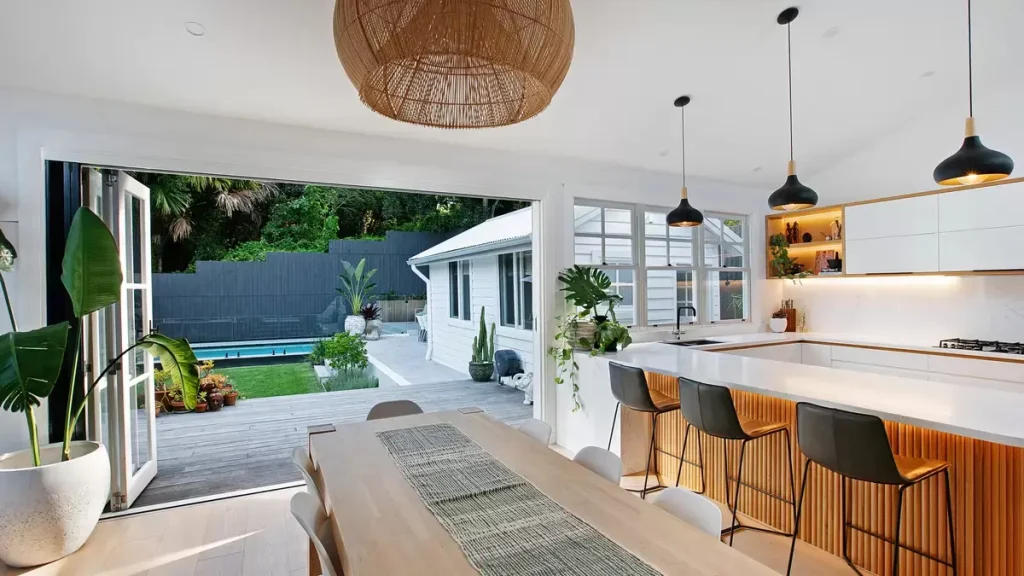
Renovation vs Moving Costs: What Families Often Forget to Factor In
Insight:
A renovation budget isn’t just a build figure. The real comparison is not just renovation cost versus purchase price. It is renovation cost + disruption + decision load versus moving cost + stamp duty + compromise.
Specifics (the items people forget):
- Moving costs: agent fees, marketing, staging, conveyancing, stamp duty, removalists, immediate repairs, and the “we’ll just replace that later” spending spree.
- Renovation hidden costs (avoidable with planning): service upgrades (electrical, plumbing), waterproofing, structural allowances, and long lead-time items (windows, bespoke joinery, stone).
- Disruption: temporary kitchen, altered routines, work-from-home complexity, and decision fatigue.
A well-planned renovation reduces budget creep by locking key decisions early: layout, window locations, joinery design, and finishes that affect sequencing (flooring, tiles, stone, tapware). This is where a full-service design process earns its keep: fewer late changes, fewer “urgent” site decisions, fewer expensive pivots.
Application:
If you’re time-poor, the biggest cost isn’t always dollars. It’s the mental load of a thousand micro-decisions. The goal is to make fewer decisions, earlier, with better information.
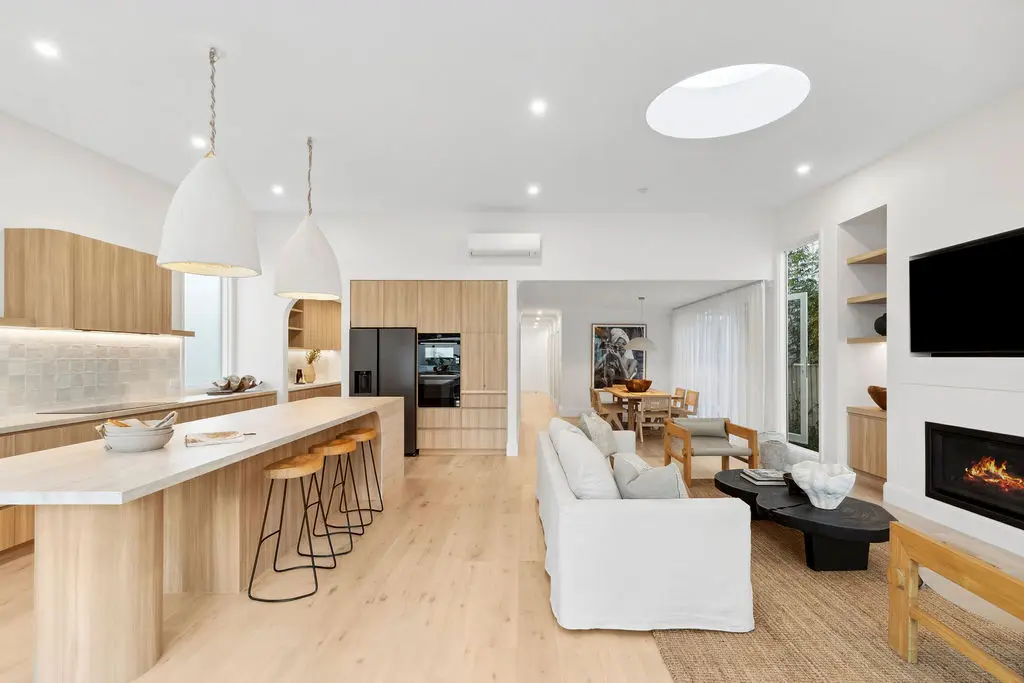
What most Northern Beaches families get wrong about “adding space”
Insight:
One thing we often see is that families assume they need a bigger house, when what they actually need is better planning around storage, circulation, and zoning. Bigger isn’t always better. A home can gain 20sqm and still feel cramped if circulation is messy and storage is an afterthought.
Specifics (joinery + planning details that change everything):
- Storage that’s measured, not guessed: broom cupboard depth, linen heights, school bag hooks, charging drawers, pantry pull-outs.
- Zoning that respects real life: a quieter adult zone, a kids’ zone that can handle noise, and a living area that doesn’t feel like a thoroughfare.
- Kitchen layout: allow workable aisle widths, landing space near appliances, and a place for the “daily chaos” to live (appliance garage, drop zone, integrated bins).
- Lighting layers: downlights alone won’t do it. You want task lighting (kitchen/laundry), ambient lighting (living), and feature lighting (dining/entry) so the home feels calm at 7pm, not clinical.
Application:
If you’re staying in a coastal suburb (think Manly to Avalon), choose materials that wear well in a salty, sandy life: durable floor finishes, hardware that doesn’t pit, and joinery finishes that cope with kids, dogs, and wet towels.
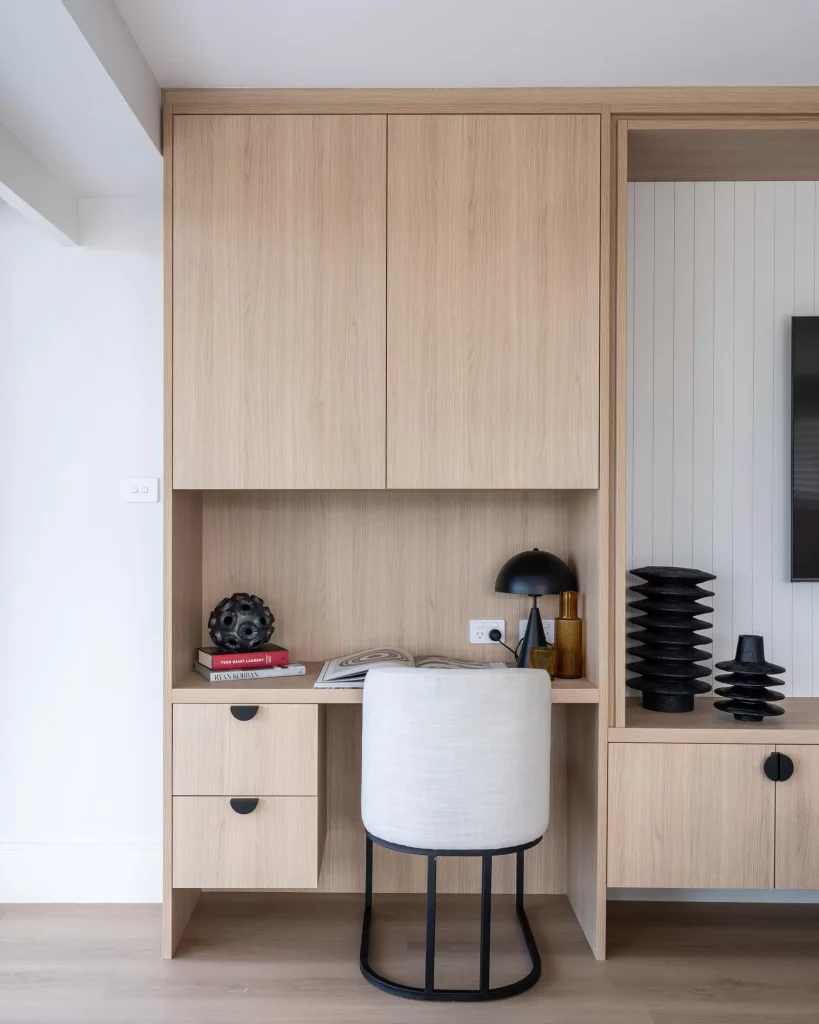
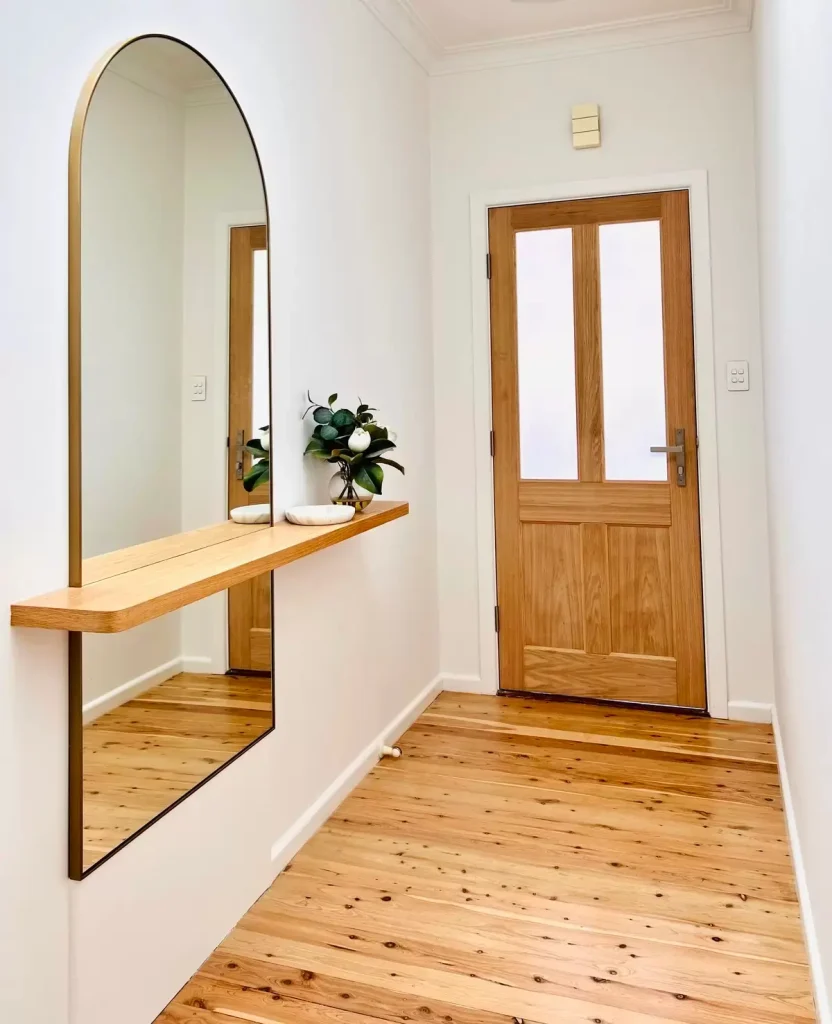
Buying Someone Else’s Renovation: The “I’d Do It Differently” Trap
Insight (the why):
A renovated home can look like the shortcut, but you’re buying someone else’s priorities. Their renovation was designed around their routines, storage habits, and tolerance for upkeep. Once you move in, the friction points show up fast because they’re not style issues — they’re living issues.
Specifics (what it looks like in real life):
- Storage that’s “styled”, not sized: open shelving where you needed a pantry, no broom cupboard, nowhere for bags, hats, chargers, sports gear, and sandy shoes to land. You end up buying extra furniture to fix what joinery should have solved.
- Finishes that don’t suit your household: matte cabinetry that shows fingerprints, pale grout that stains, porous stone that etches.
- The expensive decisions are already locked in: plumbing locations, window placements, and joinery layouts are the bones of daily life — and the hardest to change without major rework.
Application:
If you’re considering moving into a renovated home, do a “week-in-the-life” walkthrough before you fall for the finishes:
- Stand in the kitchen and map a school morning: bags, lunches, coffee, laundry, exits. Where does everything actually go?
- Check storage like you’re doing an unpack: linen, brooms, appliances, kids’ gear, beach towels. Is there enough closed storage in the right places?
- Look at maintenance through a coastal lens (salt, sand, humidity): ask what the cabinetry finish is, what stone is used, and whether grout/fixtures will age gracefully.
- Walk the main circulation paths: can two people pass easily, and can doors/appliances open without conflict?
If you keep finding “we’d have to redo that,” it’s a sign a renovation in your current home — designed around your family — may give you a calmer outcome (and fewer expensive compromises) than buying someone else’s version of “done.”
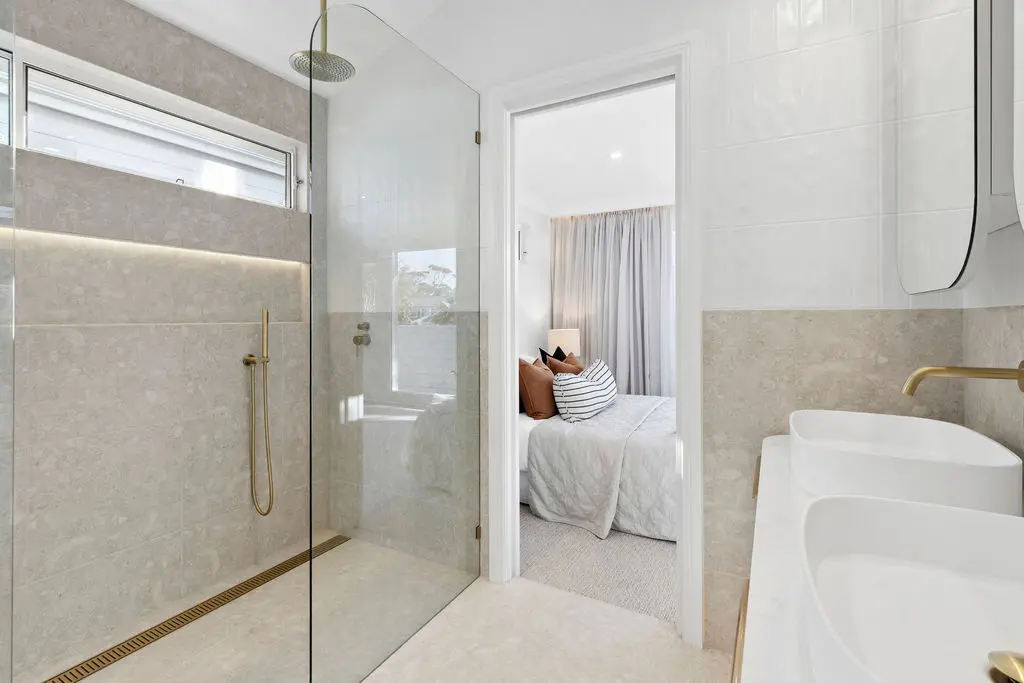
FAQs: To Renovate or Move?
Is it cheaper to renovate or move?
That depends on the home, but many families underestimate the true cost of moving once stamp duty, agent fees, staging, repairs, and compromises are factored in.
How do I know if my house is worth renovating?
If you love the location and the main issues are layout, storage, light, or flow, the home may have strong renovation potential.
Should I buy a renovated home instead of renovating?
Only if the layout, storage, and finishes genuinely suit the way your family lives. A polished renovation can still create daily friction if it was designed around someone else’s routines.
What adds more value: extending or reconfiguring?
In many homes, reconfiguring the layout and improving joinery delivers more day-to-day value than simply adding extra floor area.
Wrap-up: a calmer way to decide
If you’re stuck in “renovate vs move”, start with the outcome you want to live, not the property you think you need. Then test whether your current home can deliver it with smart planning, measured storage, and a layout that supports your routines.
If staying put and either renovating or embarking on a knock down rebuild of your existing home looks like the best move, I’d love to help. Start with a calm, practical plan via in-home design consultation – get in touch here.